Frequent AC Repairs: How to Recognize When Your System Requires Service
AC systems are essential for ensuring comfort, especially during hot months. However, they can develop issues that compromise their efficiency. Signs such as inadequate cooling, unusual odors, or strange noises often indicate that repairs are necessary. Recognizing these warning signs is critical for homeowners. Taking action to diagnose these issues can result in prompt solutions and enhanced system efficiency. What are the most common signs to watch for?
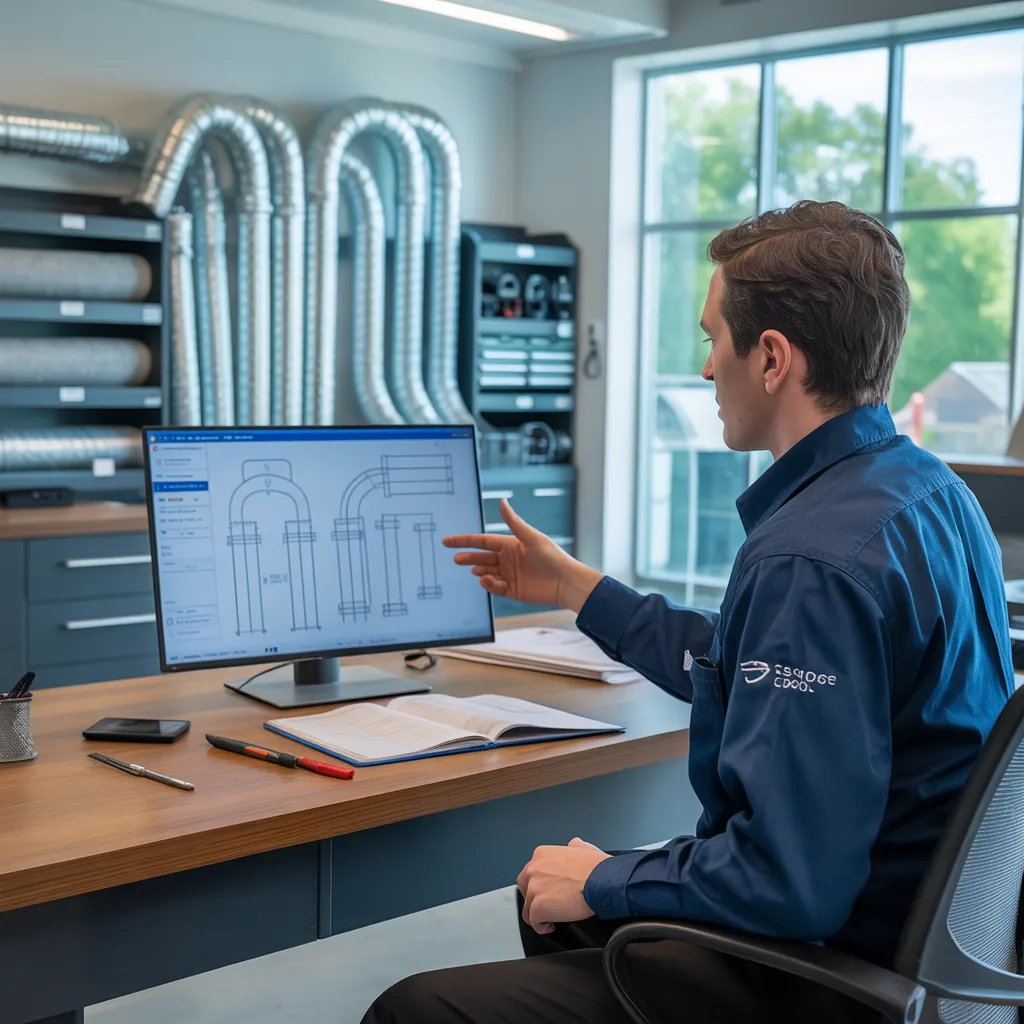
Top Signs Your AC Needs Repair
How can homeowners tell when their air conditioning units need repair? Understanding the indicators of a faulty air conditioning system is crucial for sustaining comfort and efficiency. One of the first indicators is inadequate cooling; if the air conditioner is unable to sustain the programmed temperature, it may be in need of service. Homeowners should additionally be alert to strange smells coming from the vents, which may indicate problems such as mold growth or electrical faults.
Furthermore, increased energy bills without a change in usage patterns can point to inefficiency, indicating possible repair needs. Short cycling, which refers to frequent cycling on and off, can also indicate a problem. Lastly, water accumulation around the equipment or unusual sounds, such as hissing or bubbling, can point to underlying issues. Tackling these warning signs quickly can help homeowners avoid more extensive repairs and make certain their AC systems run at peak performance.
Why Is Your AC Making Strange Noises?
Strange noises from an air conditioning unit often indicate underlying issues that require attention. Common sounds include rattling, which may suggest dislodged parts or foreign objects inside the unit. Hissing sounds may indicate refrigerant escaping, which may undermine efficiency and result in greater damage. A grinding noise frequently indicates failing bearings or motor-related complications, while a high-pitched squeal may indicate issues affecting the compressor or fan unit.
Furthermore, if an air conditioning unit produces a steady buzzing sound, the cause could be an electrical fault or a defective capacitor. These sounds not only disrupt comfort but also serve as crucial warning signs. Overlooking them may cause more significant repairs or total system breakdown. Residents should carefully track these sounds and seek a qualified technician to accurately identify the issue. Timely intervention can help guarantee the longevity and peak performance of the air conditioning system.
Identify Ineffective Cooling Issues
When confronted with inadequate cooling from an air conditioner, homeowners commonly seek to understand the root cause. Multiple issues may be responsible for a unit's reduced cooling capacity. One of the most typical culprits is a clogged or unclean air filter, which restricts airflow and reduces cooling efficiency. Moreover, refrigerant loss can cause the system to cool poorly, as the system lacks the necessary fluid to absorb heat. Another factor might be an improperly sized unit, which fails to cool the designated space adequately. Property owners should additionally examine potential thermostat concerns, like inaccurate settings or defective sensors that interfere with proper system function. Finally, blocked vents or ducts can impede airflow, further complicating cooling efforts. Recognizing these problems at an early stage can help avoid major issues and maintain top-level performance from the cooling unit. Regular maintenance and inspections can help mitigate these click here challenges before they escalate.
What to Do About Unusual Smells From Your AC
What could be causing strange odors coming from an air conditioning unit? Several causes may be responsible for these smells, typically suggesting hidden concerns. A musty smell may suggest mold or mildew developing within the system, commonly resulting from too much moisture. In contrast, a burning scent might point to electrical problems or overheating components, requiring prompt action. Should a strong, chemical-based smell be detected, it may point to refrigerant leaks, which necessitate immediate assessment.
Additionally, a strong, offensive odor can develop from rodents nesting within the unit, emphasizing the need for a comprehensive inspection. Homeowners should check air filters, as soiled filters can also lead to offensive smells. Routine upkeep is necessary to address these problems. Ultimately, detecting the origin of unexpected smells is critical for the proper operation of the air conditioning system and assists in maintaining a clean indoor environment.
When to Hire a Professional for AC Repairs
What signals should homeowners look for to know when professional AC repair is needed? Recognizing the signs that indicate a need for professional intervention is essential for maintaining an efficient cooling system. If the air conditioner produces unusual noises, such as grinding or hissing, it may signal mechanical issues requiring expert attention. Additionally, inconsistent temperatures throughout the home or a sudden increase in energy bills can indicate underlying problems that professionals should address.
Homeowners must also watch for any leaks or surplus moisture near the unit, as these can result in more serious damage. Should the system struggle to cool properly, despite running continuously, it is time to consult a technician. Furthermore, should the unit be older and prone to recurring breakdowns, a professional inspection and repair can eliminate the need for costly replacements. Acting swiftly can maximize the longevity of the AC system and secure peak efficiency.
Important Tips for Taking Care of Your AC System
Keeping up with your AC unit is essential for maximizing its lifespan and performance. Consistent filter swaps, scheduled tune-ups, and exterior unit cleaning are critical routines that reduce the risk of costly breakdowns. Following these straightforward measures ensures top performance while enhancing indoor air quality.
Periodic Filter Replacement
Routinely swapping out the air filter is critical for ideal air conditioning performance. Clogged or dirty filters can impede airflow, leading to reduced cooling efficiency and higher energy usage. This added stress on the unit can result in increased electricity expenses and risk of equipment damage. Experts recommend checking filters monthly and replacing them every one to three months, depending on the level of use and environmental factors. Households with animals or elevated dust conditions may require filter changes at shorter intervals. A clean filter not only enhances air quality by trapping dust and allergens but also extends the lifespan of the AC unit. By focusing on regular filter care, homeowners can be confident their air conditioning system runs smoothly and dependably during the entire cooling season.
Periodic System Checkups
Seasonal system checkups are essential for guaranteeing peak performance and longevity of air conditioning units. These inspections allow technicians to identify potential issues before they escalate into costly repairs. In the course of a maintenance visit, experts routinely check refrigerant levels, scrutinize electrical connections, and assess the complete system performance. Furthermore, they often evaluate thermostat performance to confirm precise temperature regulation. Regular maintenance can lead to improved energy efficiency, reducing utility bills and promoting a more comfortable indoor environment. Homeowners are encouraged to schedule these checkups at least once or twice a year, ideally before the cooling season begins. Consistent proactive care of the air conditioning system can substantially increase its longevity and boost overall performance reliability.
Outdoor Unit Cleaning
Maintaining the exterior unit is a vital part in guaranteeing an air conditioning system operates efficiently. Dust, leaves, and debris can build up around the unit, obstructing airflow and diminishing performance. Consistent cleaning helps stop overheating and increases the longevity of the system. Property owners should disconnect the power before cleaning to guarantee safety. By using a soft brush or a garden hose, they can gently remove debris from the fins and nearby area. Additionally, removing any vegetation within two feet of the unit promotes better airflow. It is also beneficial to check and clean the cooling coils on a routine basis. By preserving a clean exterior unit, residents can enhance energy efficiency and minimize the risk of costly repairs.
Questions Our Customers Often Ask
How Frequently Should I Plan Regular AC Maintenance?
Professionals suggest planning standard AC servicing at least once a year. However, in locations with intense climate conditions or high demand, biannual check-ups can enhance efficiency and prolong the system's lifespan, maintaining superior functionality.
Is It Possible to Troubleshoot AC Issues on My Own?
Yes, homeowners can address AC issues on their own by reviewing filters, checking for obstructions, and confirming that power sources are operating correctly. That said, consulting a professional is strongly recommended for complicated issues in order to avoid possible damage or safety concerns.
What Are the Fees Associated With AC Repairs?
AC repair expenses generally fall from $100 to $1,500, based on the complexity of the problem. Variables that impact pricing include the system's age, labor costs, and required parts, with regular maintenance often reducing the likelihood of more significant repairs.
How Long Does an AC Unit Typically Last?
An air conditioner usually operates for 15 to 20 years on average, based on factors including maintenance, usage, and quality. Consistent upkeep can increase its longevity, while poor upkeep may cause it to fail ahead of schedule.
What Energy-Efficient Upgrades Are Available for My AC System?
Yes, energy-efficient upgrades for an AC system include installing a programmable thermostat, upgrading to a high-efficiency unit, strengthening insulation, and incorporating variable speed motors. These enhancements can significantly decrease energy usage and reduce utility costs.